DADA Movement
DADA was a 19th century art movement that was created around
1916 and focused on World War 1. Artists involved would often express their
views on the war through their work, seeking to provoke reactions in their
observers. Their art work was often seen as a form of protest or retaliation
against parties they felt were responsible for the war.
 Although Dada originated in Zurich (Switzerland), it soon spread to
become an international movement, with artists from all nationalities taking
part in its creation. It was not seen as an art movement until long after it’s
time, when it disbanded. Dada has been known to have influenced surrealist and
constructivist works.
Although Dada originated in Zurich (Switzerland), it soon spread to
become an international movement, with artists from all nationalities taking
part in its creation. It was not seen as an art movement until long after it’s
time, when it disbanded. Dada has been known to have influenced surrealist and
constructivist works.
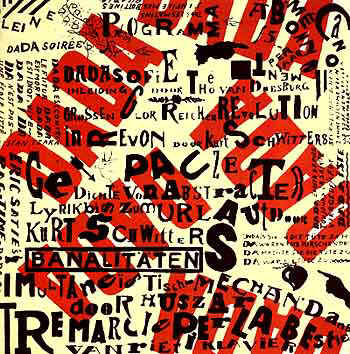
Dada work usually involves type or collage type works that lack logic
and were often abstract. Type based art had letters and words scattered across
the page while images were made into collages that were overlaid with one
another.
Tristan Tzara
Tristan was a Romanian born, French Dada artist and poet who created
the first Dada type works, including La
Première Aventure céleste de Monsieur Antipyrine (The First Heavenly Adventure
of Mr. Antipyrine), 1916 and Vingt-cinq poèmes (Twenty-Five Poems), 1918.
Before
the end of World War 1, Tristan became the main promoter of Dada and continued
to manage its progression to other regions of Europe.
He later moved on to create
surrealist works and was very active during WW2 and joined French Communist Party in 1937.

No comments:
Post a Comment